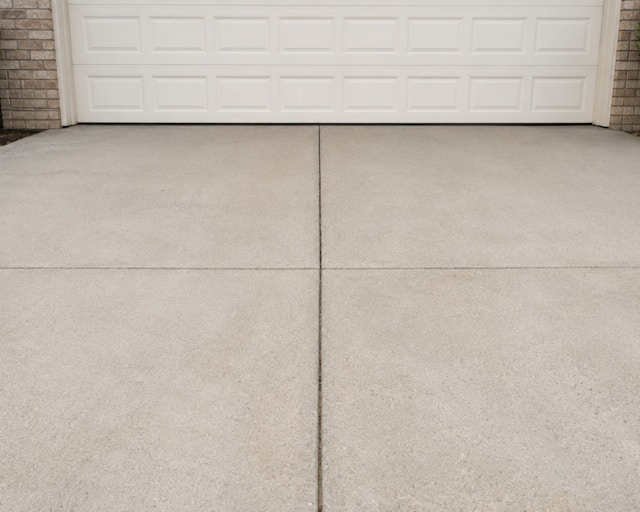
Pro Concreting You step outside one morning and notice white patches, streaks, or a chalky coating appearing on your concrete driveway. Many homeowners immediately assume their driveway is damaged or that the concrete was poorly installed. Fortunately, in most cases, a white concrete surface is not a serious structural issue.
Having worked around residential concreting projects for years, I’ve received this question countless times. In fact, one of the most common concerns from Adelaide homeowners is, “Why is my new driveway turning white?” The answer often comes down to a natural process known as efflorescence.
What Is Efflorescence?
Efflorescence is a white, powdery deposit that forms when water moves through concrete and brings naturally occurring salts to the surface. As the water evaporates, it leaves behind these mineral deposits, creating the white appearance many homeowners notice.
In my experience, efflorescence is particularly common in newly installed driveways because fresh concrete contains moisture that gradually works its way to the surface during the curing process.
While it may affect the appearance of your driveway, efflorescence is usually cosmetic rather than structural.
Why Does It Happen More in Adelaide?
Adelaide’s climate creates ideal conditions for efflorescence. During winter and spring, rainfall increases moisture levels in the ground and surrounding environment. This moisture can penetrate the concrete and transport salts to the surface.
Later, Adelaide’s warm weather and strong sunshine accelerate evaporation, leaving the white deposits behind.
I’ve often noticed efflorescence becoming more visible after periods of rain followed by several sunny days.
Other Causes of White Concrete
While efflorescence is the most common explanation, there are other reasons your driveway may appear white.
1. Hard Water Stains
If sprinklers regularly spray your driveway, minerals in the water can build up on the surface. Over time, these deposits create white marks that resemble efflorescence.
2. Sealer Issues
Improperly applied concrete sealers can sometimes turn cloudy or develop a white haze. This often occurs when sealers are applied in humid conditions or before the concrete has fully cured.
I’ve seen homeowners mistake sealer whitening for concrete damage when the solution was simply resealing the surface correctly.
3. Lime Leaching
Concrete naturally contains lime and calcium compounds. In certain situations, these materials can migrate to the surface and create white discoloration similar to efflorescence.
How to Remove White Stains from Concrete
The good news is that most white deposits can be removed.
Depending on the severity, you can try:
- Sweeping with a stiff broom
- Pressure washing
- Using a specialised efflorescence remover
- Cleaning with mild concrete-safe solutions
For stubborn cases, professional cleaning may be required.
One thing I’ve learned is to avoid harsh chemicals unless you understand how they may affect decorative or coloured concrete finishes.
Can You Prevent It?
Although efflorescence cannot always be completely prevented, several steps can reduce the likelihood of it occurring:
- Ensure proper drainage around the driveway
- Use quality concrete sealers
- Maintain gutters and downpipes
- Avoid excessive watering near concrete surfaces
- Address cracks before moisture enters
These simple measures help minimise water movement through the concrete.
Final Thoughts
If your concrete driveway is turning white, don’t panic. In most cases, the cause is efflorescence—a natural process that affects many concrete surfaces, especially in climates like Adelaide’s. I’ve seen countless driveways develop temporary white patches only to return to a cleaner appearance after proper maintenance and weathering.
Understanding the cause of the problem is the first step toward restoring your driveway’s appearance and protecting your investment for years to come.